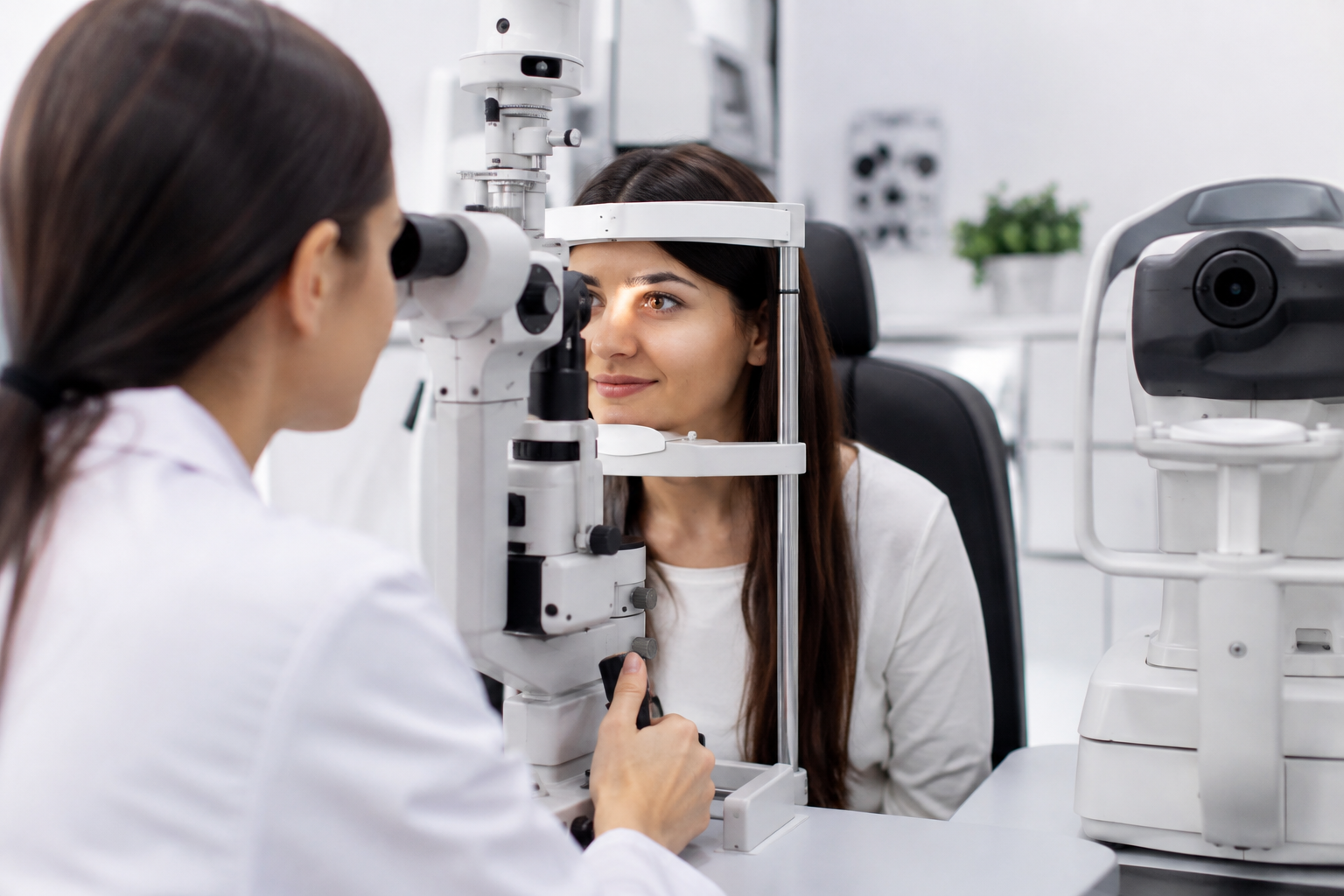
How Often Should You Have an Eye Test?
Good vision plays an important role in everyday life, yet many people only visit an optometrist when they notice a problem. Regular eye examinations are essential for maintaining healthy vision and detecting eye conditions before they become serious.
Whether you wear glasses, contact lenses, or have perfect vision, routine eye tests can help identify changes in your eyesight and uncover health issues that may not have obvious symptoms.
Why Regular Eye Tests Matter
An eye examination does much more than determine whether you need glasses. It also evaluates the overall health of your eyes and can detect conditions such as:
- Glaucoma
- Cataracts
- Diabetic eye disease
- Macular degeneration
- Dry eye syndrome
- High blood pressure-related eye changes
Many of these conditions develop gradually without noticeable symptoms, making regular check-ups essential.
How Often Should Adults Have an Eye Test?
For most healthy adults, a comprehensive eye examination is recommended every one to two years.
However, you may need more frequent eye exams if you:
- Are over the age of 40
- Have diabetes
- Have high blood pressure
- Wear contact lenses
- Have a family history of eye disease
- Experience frequent headaches or blurred vision
Your optometrist will recommend the best schedule based on your eye health and medical history.
Signs You Should Book an Eye Test Immediately
Do not wait for your routine appointment if you notice:
- Blurred vision
- Double vision
- Frequent headaches
- Eye pain
- Sudden vision changes
- Difficulty seeing at night
- Eye redness that does not improve
- Increased sensitivity to light
Prompt evaluation can help prevent more serious complications.
Eye Tests for Children
Children should also receive regular eye examinations, especially before starting school. Early detection of vision problems can improve learning, reading ability, and overall development.
Parents should watch for signs such as:
- Sitting too close to screens
- Squinting
- Rubbing the eyes frequently
- Difficulty reading
- Poor concentration
What Happens During an Eye Test?
A comprehensive eye examination may include:
- Vision assessment
- Prescription testing
- Eye pressure measurement
- Retina examination
- Eye muscle evaluation
- Digital eye imaging when required
These tests are painless and usually take less than an hour.
Protecting Your Vision Every Day
Besides regular eye examinations, you can keep your eyes healthy by:
- Wearing UV-protective sunglasses
- Taking regular breaks from digital screens
- Eating foods rich in vitamins A, C, and Omega-3
- Staying hydrated
- Avoiding smoking
- Using proper lighting while reading
Visit Lumen Vision
At Lumen Vision, our experienced eye care professionals provide comprehensive eye examinations using advanced diagnostic technology to help protect your vision and detect eye conditions early.
Whether you need a routine eye test, new prescription glasses, or expert eye care advice, our team is here to help you maintain healthy vision for years to come.
Book your eye test today and experience professional eye care tailored to your needs..
Leave a Reply